
Residential junk removal in St. Louis, MO can become useful when household clutter grows beyond what regular trash collection can handle. Large furniture, accumulated belongings, renovation leftovers, and unwanted appliances can take up valuable space or create safety concerns. Several household situations can make professional removal a practical option, especially when the volume, size, or type of material makes ordinary disposal difficult.
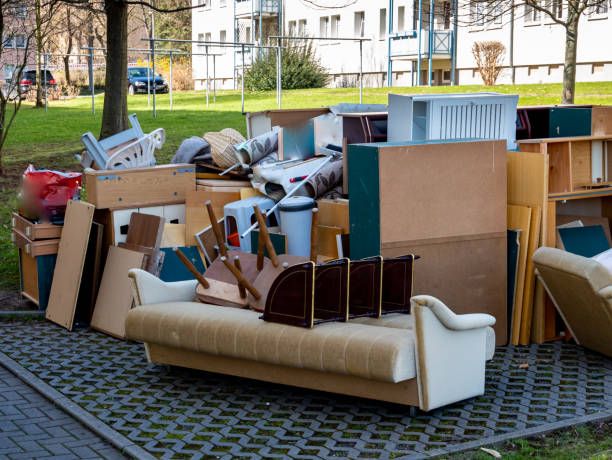
1. Moving to a Smaller Home
Downsizing often forces difficult decisions about possessions. A larger house may have enough room for spare furniture, boxes of old belongings, unused décor, and stored household items. A smaller home has less capacity, so keeping everything can quickly lead to crowded rooms or overfilled storage areas.
Sorting before a move can reveal items that no longer serve a purpose. Old bookcases, worn mattresses, extra chairs, broken tables, and miscellaneous household goods may be difficult to transport or dispose of through routine garbage service. Furniture removal in St. Louis, MO can be relevant when bulky pieces need to leave the property before a move.
2. Clearing Out a Garage or Basement
Garages and basements often become storage areas for items that no longer have a clear place in the home. Seasonal decorations, outdated electronics, damaged shelving, old exercise equipment, and miscellaneous boxes can accumulate for years.
A cleanup can become difficult when heavy or oversized items are mixed with smaller household debris. Junk hauling in St. Louis, MO may help when a property contains a large volume of unwanted material that needs to be gathered and removed.
3. Preparing a Property for Sale
A home can feel smaller and less orderly when rooms contain excessive belongings. Before listing a property, homeowners or estate representatives may clear crowded closets, spare rooms, garages, patios, and other storage areas.
Removing unwanted items can create cleaner spaces for photographs, showings, inspections, and eventual move-out. It can also prevent buyers from having to look past piles of belongings when evaluating the condition and usable space.
The cleanup may involve more than household trash. Old patio furniture, damaged cabinets, discarded flooring, and other non-routine materials can require separate handling. In these situations, debris removal in St. Louis, MO can be part of a broader property cleanup.
4. Dealing With an Estate or Major Household Cleanout
An estate cleanout can involve a large and varied collection of possessions. Family members may need to sort furniture, clothing, appliances, boxes, and personal belongings while deciding what should be kept, donated, sold, or discarded.
The process can become physically demanding when a property contains large furniture or years of accumulated household items. A planned cleanout helps separate sentimental decisions from disposal tasks. Items with family value can be handled first, while clearly unwanted materials can be grouped for removal.
Properties may need to be emptied before a sale, rental preparation, renovation, or transfer of ownership. A professional removal service can handle the physical hauling after the household has determined what should leave the property.
For larger cleanouts, a room-by-room approach can keep the project organized. Items can be gathered in one area for sorting while clear pathways are maintained through the home. This also makes it easier to identify anything that should remain on the property.
5. Finishing a Home Renovation
Renovation projects can leave behind old cabinets, damaged fixtures, flooring pieces, packaging, and other unwanted material. Even a relatively small project can create more waste than normal collection can accommodate.
The cleanup stage becomes easier when materials are separated according to disposal requirements and kept out of walkways. Depending on the project, construction debris removal in St. Louis, MO may be appropriate for renovation-related material.
Households should check local disposal rules for materials that require special handling. Paint, chemicals, certain electronics, and other regulated items may have separate collection requirements.
6. Reclaiming Space After a Major Life Change
Changes in household circumstances can leave a property filled with items that are no longer needed. A home office may be cleared after a job change. A child's room may be reorganized after moving away. A long-unused hobby area may contain equipment and supplies accumulated over time.
Donations, resale, recycling, and disposal can be considered separately before hauling begins so usable items are not discarded unnecessarily. Sorting the property by room or category can also make a large cleanup easier to manage.
7. Removing Bulky Items That Regular Collection Cannot Handle
Some household items are too large or numerous for ordinary curbside collection. Mattresses, oversized furniture, appliances, and other bulky belongings can remain in garages, hallways, or spare rooms because residents are unsure how to dispose of them.
For households facing this type of cleanup, J&S Hauling and Junk Removal can be contacted after unwanted items have been identified and sorted. Clear communication about the material and approximate volume can help determine appropriate removal arrangements.
Access details can also affect the removal process. Stairs, narrow hallways, detached garages, and limited parking may be relevant when scheduling. Identifying these conditions beforehand can make arrangements more straightforward.
Choosing a Practical Removal Plan
The best approach depends on the amount and type of material involved. A single bulky item may require a different arrangement from a full garage cleanout or estate clearance.
A basic preparation checklist can include:
- Separating items that will be kept, donated, sold, recycled, or discarded.
- Identifying bulky or unusually heavy items.
- Checking whether any materials have special disposal requirements.
- Keeping pathways reasonably accessible for removal.
Large or awkward belongings can present lifting and property-damage risks, so household members do not need to move heavy items independently simply to prepare for service.
Questions About Residential Junk Removal
1. What types of household items can residential junk removal cover?
Services commonly handle unwanted household belongings such as furniture, appliances, boxes, and other non-hazardous materials. Accepted items vary by provider and local disposal requirements.
2. Can a junk removal service handle a whole-house cleanout?
Larger cleanouts may be available depending on the volume and type of material. An itemized description of the property contents can help determine whether the project is suitable.
3. Should usable items be separated before removal?
Items that can be donated, sold, or recycled should generally be separated from material intended for disposal. This can reduce unnecessary waste.
4. Can large furniture be removed from inside a home?
Depending on the service, bulky furniture can often be removed from rooms, garages, basements, or other accessible areas. Access conditions should be discussed when scheduling.
5. Are hazardous materials accepted?
Hazardous, regulated, or potentially dangerous materials often require specialized disposal and may not be accepted by standard junk removal providers. Local requirements should be checked before scheduling.
A Clearer Home Starts With a Planned Cleanout
Household junk can accumulate during ordinary life events, property transitions, renovations, and long-term storage. Recognizing the need for removal early can make the cleanup easier to organize and prevent bulky items from occupying useful living space.
For residents arranging a removal project, service details can be discussed by calling (618) 310-6823 or emailing [email protected]. Providing item types, approximate volume, and property access details can help establish an appropriate arrangement.